Guests ask me this before almost anything else, and the answer is simpler than the internet makes it. Oman is relaxed about visitors and strict about nothing except the mosque. Dress modestly in town, cover more for the mosque, wear what you like at the pool, and bring one warm layer in winter. Here are the details.
Everyday clothes in Muscat
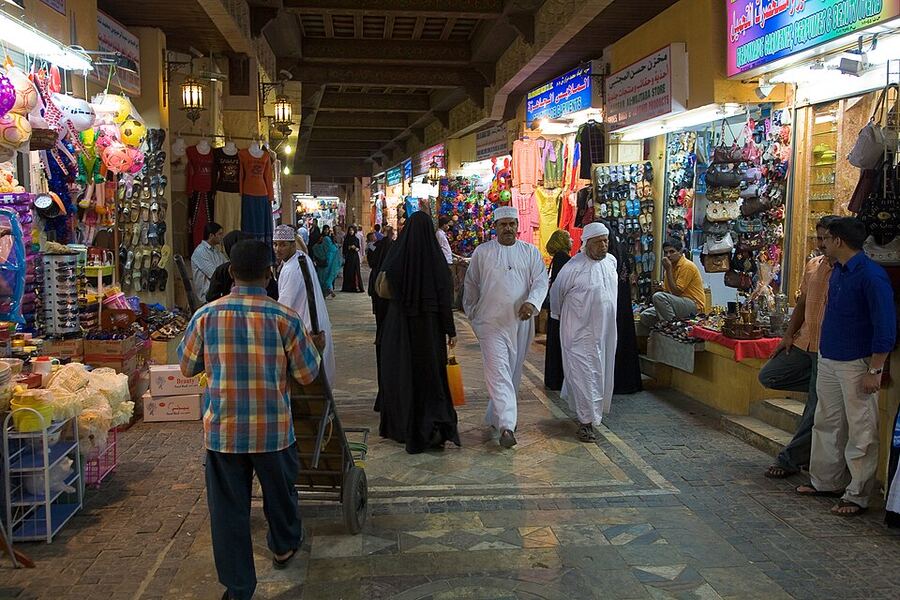
The rule of thumb for everyone is shoulders and knees covered in public places: the souq, the corniche, museums, restaurants, taxis and shops. Nobody will say anything if you forget, but you will feel the difference in how people respond to you.
Women: loose trousers or a long skirt with a T-shirt or blouse, or a dress below the knee. Linen and cotton are best in the heat. You do not need to cover your hair anywhere except the mosque. A light scarf in your bag is useful for the sun and for stepping into a mosque or a traditional home.
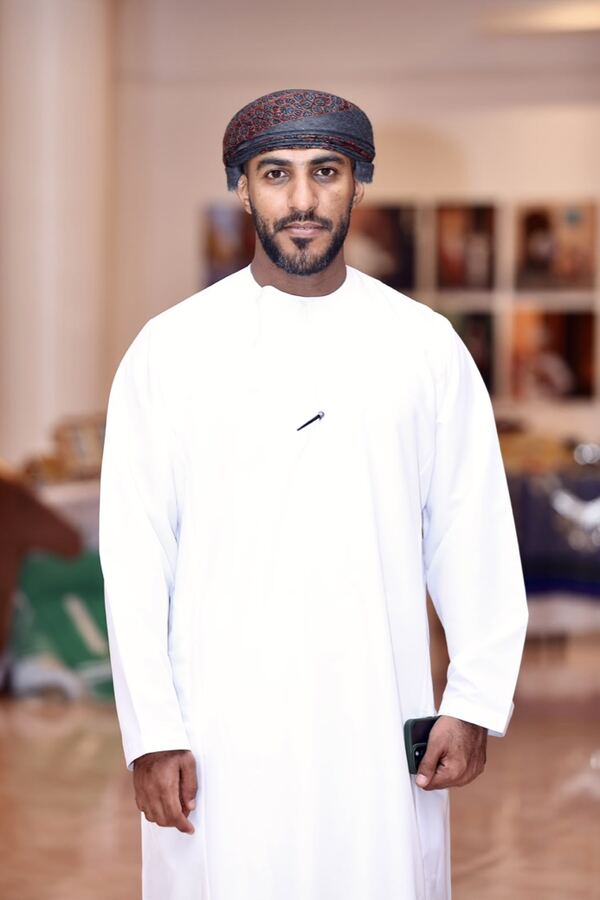
Men: trousers or shorts to the knee, and a shirt or T-shirt with sleeves. Sleeveless tops are for the beach.
The Sultan Qaboos Grand Mosque
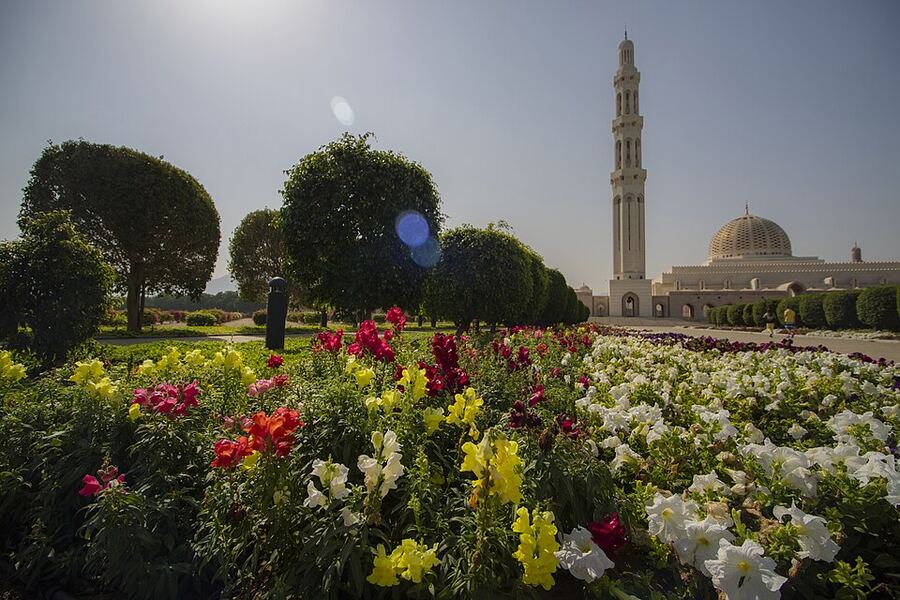
The mosque has the only real dress code you will meet. Women wear long sleeves, trousers or a skirt to the ankle, and a headscarf covering all the hair; a loose abaya over your clothes is the easiest answer. Men wear long trousers and a shirt with sleeves. Everyone removes shoes at the prayer-hall entrance, so wear something easy to slip off. Visiting hours for non-Muslims are weekday mornings; Friday is closed.
Beaches, pools and wadis
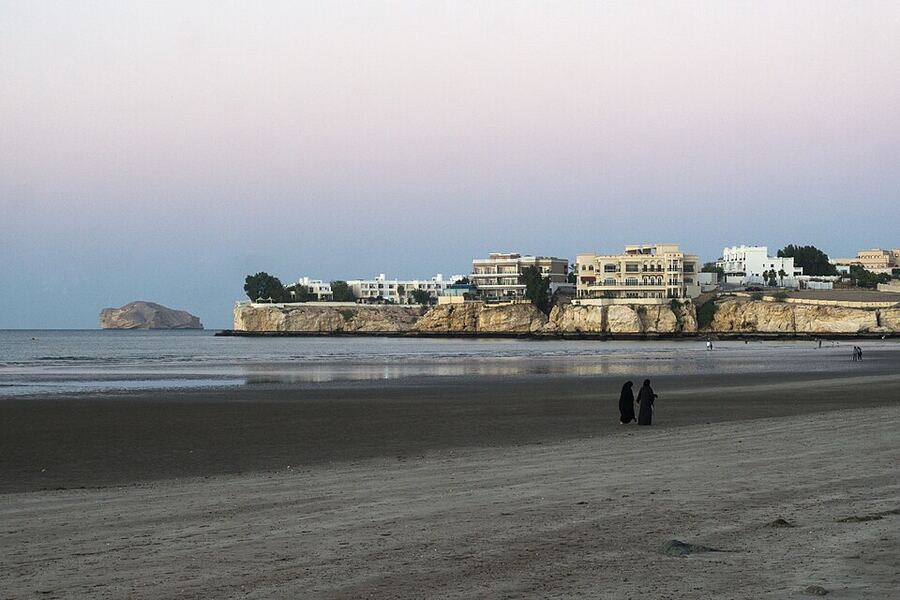
At hotel pools and beaches, ordinary swimwear is fine. On public beaches such as Qurum, bikinis are accepted but many visitors wear a one-piece or shorts and a rash vest, which is also better for the sun. Put a cover-up on for the walk to and from the water. In the wadis, where Omani families swim fully dressed, a T-shirt and shorts over swimwear is the respectful choice, and water shoes make the rocks much easier.
Ramadan
During Ramadan, dress a step more conservatively than usual and do not eat, drink or smoke in public in daylight. Inside our house you are free to do as you wish.
Shoes
Sandals for the city and the souq, trainers or light hiking shoes for the wadis and the forts (stone steps, uneven ground), and something that slips off for the mosque.
What to pack by season
- November to March: daytime is warm, but evenings drop to 16 or 17 °C in January. Bring a light jacket or a jumper for the rooftop and the mountains, where it can be near freezing.
- April and October: light clothes, a hat, sunscreen.
- May to September: the lightest clothes you own, long enough to be modest and loose enough to breathe. Linen is your friend. Plan to be indoors from noon to five.
Three things guests get wrong
- Packing only shorts and vest tops because it is hot. You will be covering up all day anyway, so bring long, light things instead.
- Forgetting the mosque. If it is on your plan, pack one modest outfit for it.
- Forgetting the cold. The desert and the mountains in winter are properly cold at night.
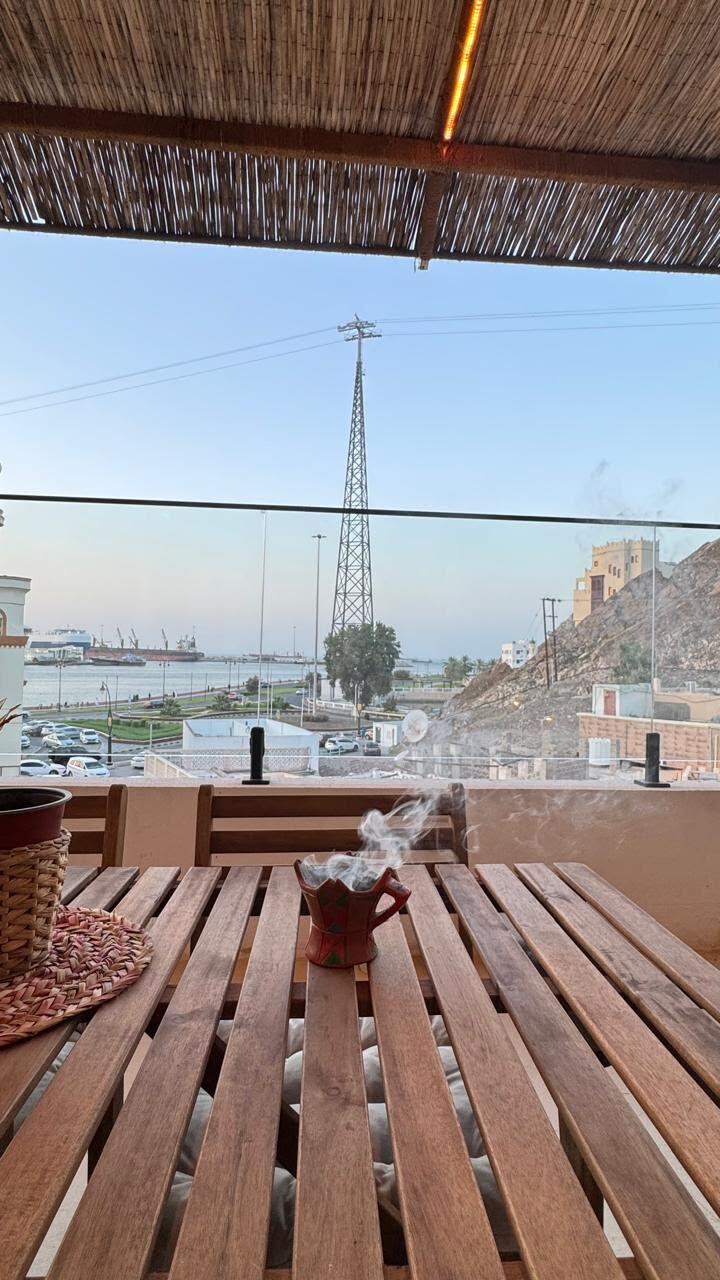
If you are unsure about anything, send me a photo of what you are planning to wear and I will tell you honestly. And if you would like a family house in old Muttrah as your base, our rooms are here.