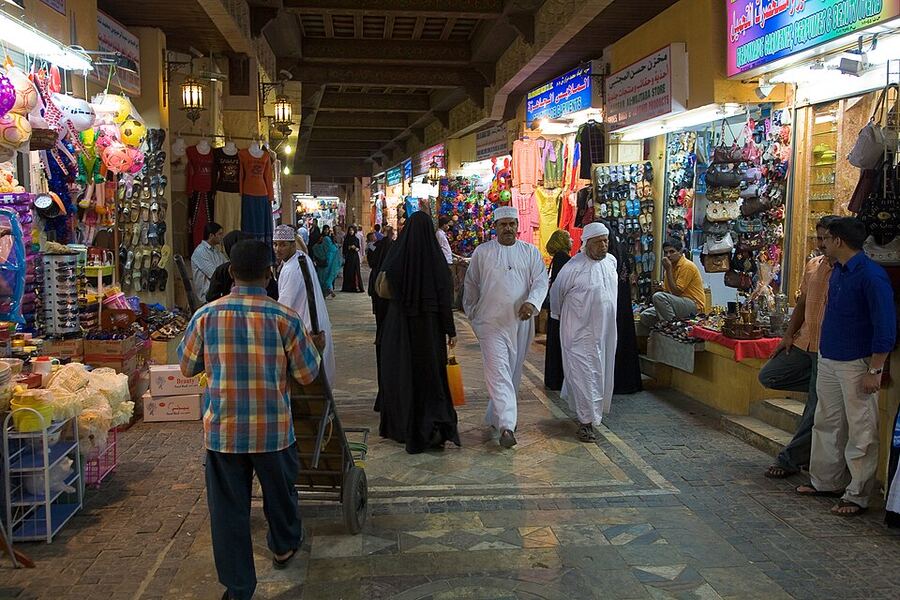
Muttrah Souq is one of the oldest markets in the Arab world, and it is still a real market, not a museum. Omanis come here for frankincense, gold and wedding fabrics; visitors come for the lanes, the smell of bukhoor and the lanterns. I pass through it most days. Here is what I tell our guests.
Opening hours
The souq works in two shifts. Shops open in the morning from around 8 or 9 until about 1 pm, close for the heat and prayer, and open again from about 4:30 or 5 pm until 9 or 10 pm. On Fridays most shops open only in the late afternoon. During Ramadan the morning is quiet and the evening session runs late into the night.
The best time to visit is after 6 pm. It is cooler, every shop is open, and the corniche outside fills with families. If you want photographs of empty lanes, go at 9 in the morning.
How to get there
The main entrance is on the Muttrah Corniche, opposite the port, under the blue-and-white gate. From Bait Mutirah it is an eight-minute walk along the water. From Qurum or Al Khuwair it is a 20 to 30-minute taxi ride; ask to be dropped at the corniche entrance. There is street parking along the corniche, busy in the evening.
What to buy
- Frankincense (luban). Oman’s famous resin, from Dhofar in the south. The pale, large tears are the best grade. Buy a small clay burner and some charcoal discs with it; the shopkeeper will show you how to use them.
- Bukhoor and perfume oils. Scented wood chips and attar oils, mixed to order. Smell before you buy.
- Omani halwa. The sticky sweet made with sugar, rosewater, saffron and cardamom. The shops let you taste; it keeps for weeks.
- Silver. Old Bedouin jewellery, khanjar daggers and modern silverwork. Ask whether a piece is antique or new; both are sold, at very different prices.
- Kummah caps and dishdashas. The embroidered Omani cap is a good small gift. A tailor in the souq can make a dishdasha in a day or two.
- Pashminas and fabrics. Most come from India and Kashmir. The price depends on the wool content, so feel a few.
- Dates and spices. Cheaper and fresher at the small grocers at the back of the souq than at the front.
How to bargain
Bargaining is expected in the souq and it is friendly. Ask the price, offer something lower with a smile, and meet in the middle; settling 20 to 30 percent under the first price is normal for souvenirs. Fixed-price items are usually marked. If you do not want something, a polite “no, thank you” is enough. Nobody will follow you.
Cash is easier for small purchases. Most larger shops take cards, and there are ATMs by the entrance on the corniche.
Beyond the main lane
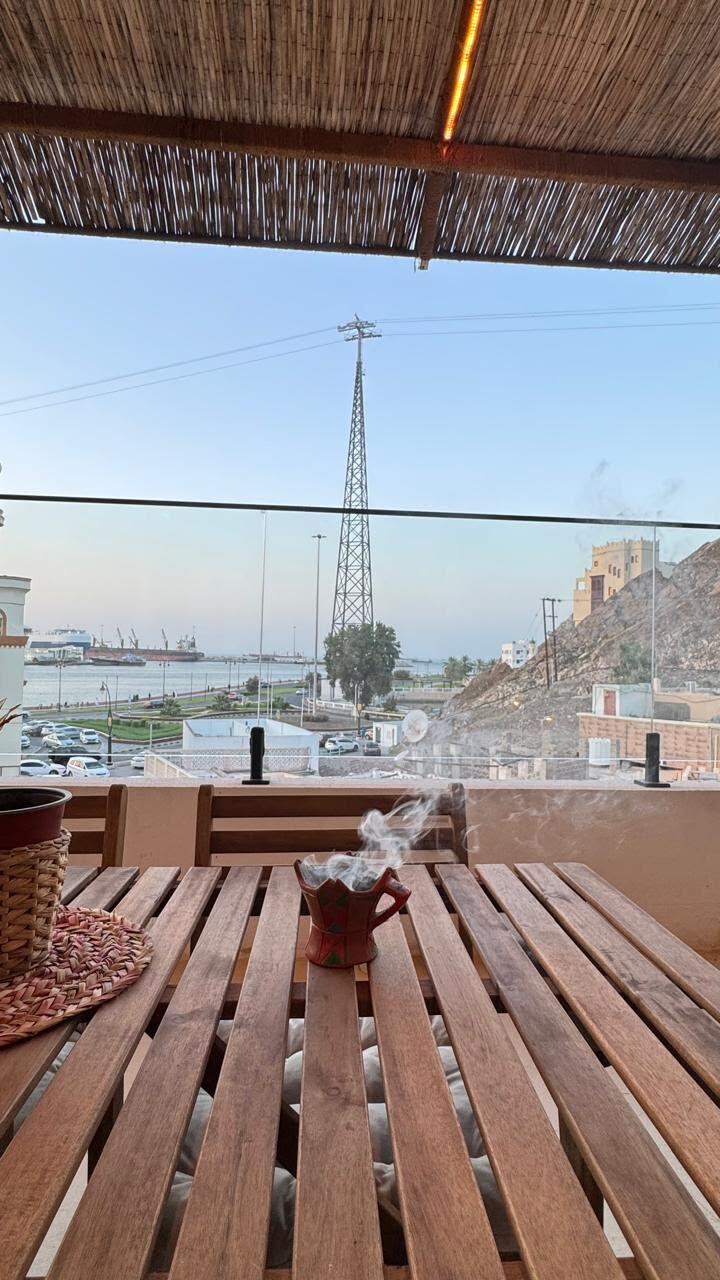
The lane from the corniche gate to the inner square is where the souvenir shops are. Turn left or right into the side lanes and you reach the gold souq, the fabric shops and the spice grocers where locals shop. Keep going and you come out into the old residential streets of Muttrah, including the lane where our house stands.
Eat and rest
There are juice stands and small cafés inside, and the corniche outside has shawarma and karak tea. For a proper meal, Bait Al Luban by the port serves Omani food in an old building. See my Muscat guide for more places to eat.
If you want to be able to walk to the souq every evening, we are an eight-minute stroll away. Have a look at our rooms in Muttrah.